Media & Reputation
How to Leverage Media Coverage to Build Long-Term Authority
A media placement is not the final result. The real value comes from converting credible coverage into searchable proof, stronger positioning, and future opportunities.

A strong media placement can change how a founder, executive, author, or company is perceived. It provides third-party context, introduces the subject to a new audience, and creates a public record that may appear when future clients, investors, journalists, event organizers, or partners conduct research.
Yet many people fail to capture the full value. They share the article once, add a publication logo to a homepage, and move on. The placement becomes a short social media moment instead of a durable authority asset.
Learning how to leverage media coverage requires a system that preserves accuracy, respects the publisher's rights, and connects the story to the broader narrative the market should understand.
What Media Coverage Can and Cannot Do
Earned media can strengthen credibility because an independent outlet has chosen to cover, quote, review, or interview a subject. It can also improve discoverability, support branded search results, create backlinks, provide material for speaker and sales assets, and make future journalists more comfortable engaging.
Coverage cannot replace a clear position, credible proof, a strong product, or ethical conduct. A logo wall without context does not explain what was covered. A paid or sponsored placement should not be presented as independent editorial validation. A flattering article does not guarantee that the audience will trust every claim.
Authority grows when media is one credible layer in a larger system, not when it is used as a substitute for substance.
The Five-Step Media Authority System
1. Capture the Placement Correctly
Save the live link, publication name, headline, publication date, author, relevant quote, screenshots for internal records, approved images, and any usage permissions. Keep a record of whether the piece was editorial, contributed, sponsored, syndicated, or republished.
This distinction protects credibility. The website language should accurately describe the relationship. “Featured in,” “interviewed by,” “contributor to,” and “sponsored feature” are not interchangeable.
2. Add Context on an Owned Media Page
A media page should do more than display logos. Each meaningful placement should include a concise explanation of the subject, why it matters, and the role the person or company played.
For example: “Jonas Muthoni discussed how international brands can reduce risk when entering the U.S. market.” This is more useful than an unexplained publication mark because it reinforces the topic the audience should associate with the expert.
3. Connect the Coverage to Relevant Proof
Media coverage becomes stronger when it links to the underlying case study, research, service page, book, event, or original article. The reader should be able to move from third-party validation to deeper evidence on the official website.
The reverse connection also matters. Relevant case studies and service pages can reference the media coverage where it genuinely strengthens trust.
4. Repurpose the Idea, Not Just the Logo
The most valuable part of a placement is often the idea that earned attention. Expand that idea into an owned article, a short video, a newsletter, a keynote section, a sales conversation, or a follow-up commentary.
Avoid copying the publisher's article or using images without permission. Summarize your own contribution, quote only brief permitted excerpts, link to the original story, and create new value around the topic.
5. Use the Placement to Earn the Next Opportunity
Credible coverage can reduce uncertainty for other journalists and organizers. It demonstrates that the subject can communicate clearly, provide useful expertise, and participate in a professional process.
The 2026 Muck Rack State of Journalism research highlights clear relevance, access to useful sources, original research or data, and high-quality images among the elements journalists value in pitches. A previous placement can support a new pitch, but relevance and source value still matter more than name-dropping.
Where to Use Media Coverage
On the Website
- Homepage proof section with a small number of highly relevant outlets.
- Media page with contextual summaries and links to original coverage.
- About page where one or two placements validate key areas of expertise.
- Case studies and service pages where coverage directly supports the claim.
- Speaking page and press kit to demonstrate interview and presentation experience.
In Business Development
- Proposal sections that establish relevant experience without overwhelming the reader.
- Follow-up emails that share one useful interview or feature tied to the prospect's problem.
- Investor, partner, or board materials where independent recognition reduces perceived risk.
- Recruiting and employer branding where leadership visibility supports the company narrative.
In Ongoing Content
- An article that expands a quote or idea introduced in the media story.
- A “behind the insight” post explaining what the short interview could not cover.
- A video clip with accurate attribution and permission.
- A themed roundup that connects several placements around one area of authority.
How Media Coverage Supports Search and AI Visibility
Third-party coverage can help establish consistent associations among a person, organization, and area of expertise. It may also create authoritative links and additional pages that appear in branded search results.
Search and AI visibility still require an owned source of truth. The official website should provide accurate, crawlable information and connect the coverage to a clear author or executive profile. The goal is not to manipulate search systems with repeated logos or artificial mentions. It is to make the public evidence coherent.
Media Authority Mistakes to Avoid
- Implying that a publication endorsed you when it merely mentioned or quoted you.
- Presenting sponsored content as earned editorial coverage.
- Using publisher logos, screenshots, photographs, or article text beyond permitted rights.
- Promoting every placement equally, even when some are unrelated to the desired position.
- Building a press page with dead links, no dates, or no context.
- Allowing coverage to remain isolated from the website, case studies, speaking assets, and broader content strategy.
- Chasing low-quality placements that create a large footprint but weaken trust when examined closely.
A Simple Post-Publication Checklist
- Confirm the article details and classify the placement accurately.
- Thank the journalist, editor, producer, or host without immediately asking for another favor.
- Add the placement to the media archive with a contextual description.
- Create one owned insight that develops the most useful idea further.
- Share the coverage with the audience that will genuinely benefit from it.
- Link it to the relevant service, book, case study, speaking topic, or executive profile.
- Record resulting traffic, inquiries, introductions, and follow-on opportunities.
- Identify the next credible angle that builds on the same authority theme.
The Goal Is Credibility That Travels
The best media coverage does not simply make a person look visible. It helps the market understand why that person is credible. When the story is captured, contextualized, connected, and extended, it can continue influencing decisions long after the publication date.
That is the real purpose of a media authority strategy: to convert isolated attention into a body of proof that travels into search results, conversations, proposals, stages, partnerships, and future coverage.
Frequently Asked Questions
Can I add publication logos to my website?
Logo use depends on the publisher's trademark and usage rules. Use only accurate relationship language, follow available brand guidelines, and seek permission when required.
Does media coverage improve SEO?
Coverage may create backlinks, branded search visibility, referral traffic, and entity associations, but no single placement guarantees ranking gains. Relevance, source quality, crawlability, and the strength of the overall website matter.
How long should media coverage stay on a press page?
Relevant coverage can remain in a dated archive indefinitely. The homepage should feature only the strongest and most current proof, while the media page can preserve the broader record.
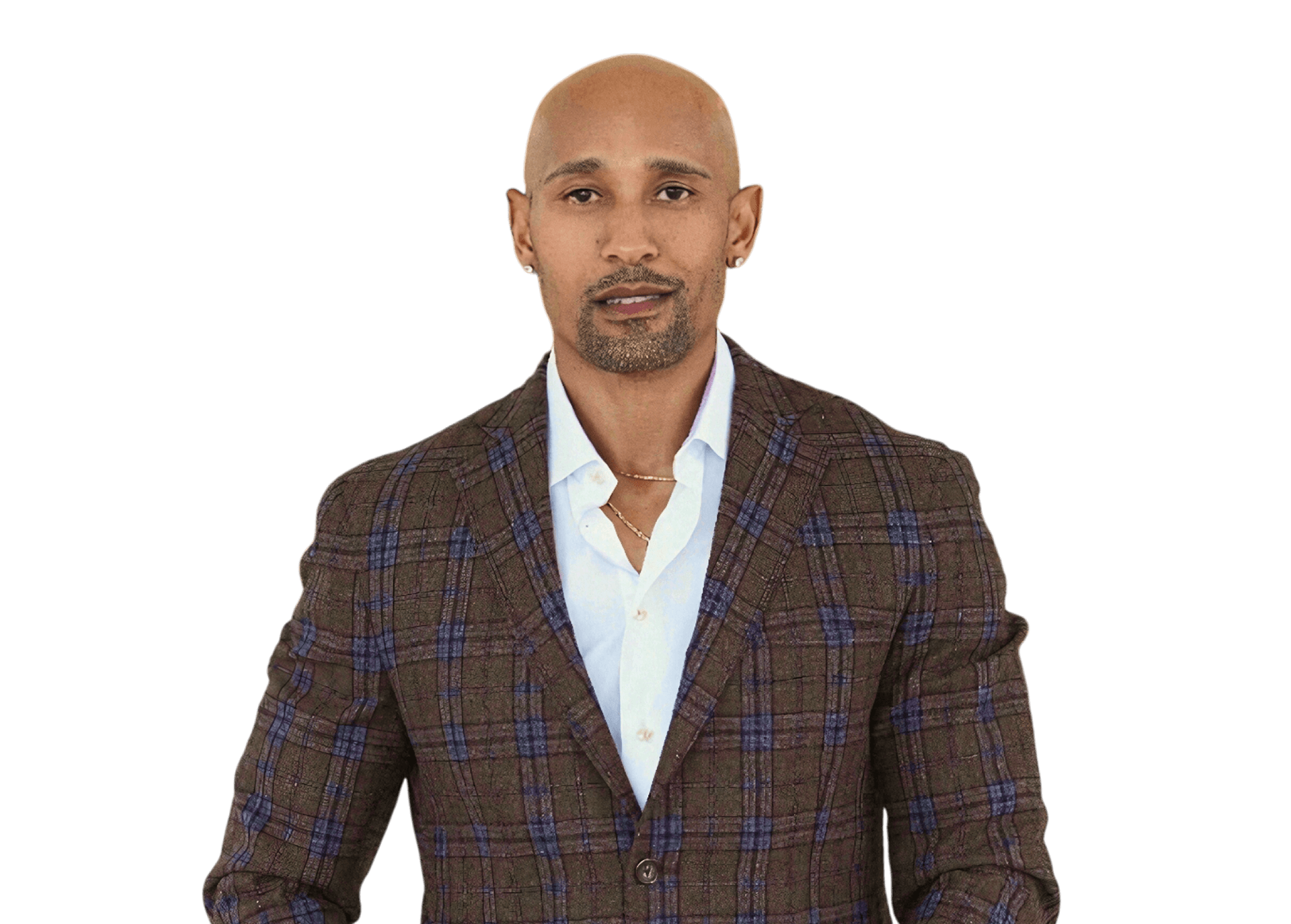
Written by
Jonas Muthoni
Brand Strategist, Growth Advisor & Founder
Ideas Worth Thinking About.
Notes on authority, growth, media, and building companies that last.
View All